Reliable hot water plays a big role in everyday comfort. From morning showers to washing dishes and running laundry, Denver homeowners depend on their water heater countless times each day. When the time comes to replace or upgrade your system, one of the most common decisions involves choosing between a traditional tank water heater and a modern tankless model.
Both systems can deliver dependable hot water, but they operate differently and offer distinct advantages. Understanding how each option works can help you choose the system that best fits your household’s hot water needs, energy efficiency goals, and long-term budget. With the right information and guidance from experienced professionals, selecting a water heater becomes much easier.
How Traditional Tank Water Heaters Work
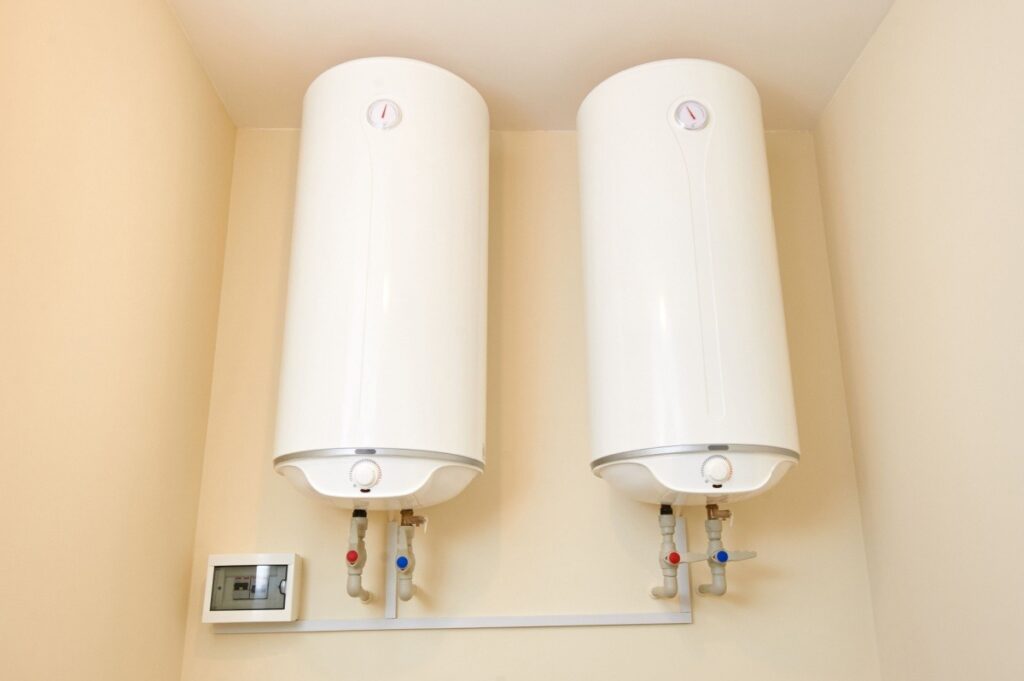
Traditional tank water heaters have been the standard in homes for decades. These systems store and heat a set amount of water in an insulated tank, typically ranging from 30 to 80 gallons, depending on the household’s size and hot water demand.
Inside the tank, heating elements or a gas burner warm the water and maintain a preset temperature. When you turn on a hot water faucet or appliance, hot water flows out from the tank and into your plumbing system. As hot water leaves the tank, cold water enters to replace it, and the system begins reheating that water for future use.
Because the water is stored and ready for use, tank systems can deliver hot water quickly. However, once the tank is emptied, the system must heat the next batch of water before it can supply more. In busy households with multiple appliances or showers running at the same time, this can sometimes lead to a temporary hot-water shortage.
How Tankless Water Heaters Operate
Tankless water heaters work differently. Rather than storing hot water in a tank, these systems heat water only when it is needed.
When a hot water tap is turned on, cold water flows through the unit where powerful heating elements or gas burners rapidly warm it as it passes through the system. Because the water is heated instantly, tankless systems can provide a continuous supply of hot water without storing it.
This on-demand design allows tankless water heaters to eliminate the “empty tank” issue that can occur with traditional systems. As long as the system’s capacity matches the home’s demand, hot water can continue flowing without interruption.
Tankless units are also much smaller than traditional tanks and are often mounted on a wall, making them an appealing option for homeowners looking to save space.
Advantages of Traditional Tank Water Heaters
Despite the growing popularity of tankless technology, traditional tank water heaters remain a reliable and practical solution for many homes.
One of the biggest advantages is affordability. Tank water heaters generally have lower upfront purchase and installation costs than tankless models. For homeowners who need a straightforward replacement, a tank system can often be installed quickly with minimal adjustments to existing plumbing.
Tank systems also provide a familiar and proven design that many homeowners already understand. With proper maintenance, these units can deliver consistent performance for many years.
Another benefit involves simultaneous water use. Larger tank systems can support multiple appliances and showers simultaneously, provided the tank’s capacity meets the home’s demand.
For many Denver homes, especially those already equipped with tank systems, this traditional approach continues to provide dependable hot water without requiring significant upgrades to plumbing or electrical infrastructure.
Benefits of Tankless Water Heaters
Tankless water heaters offer several appealing advantages, especially for homeowners focused on efficiency and long-term performance.
One of the most notable benefits is energy efficiency. Because tankless systems heat water only when it is needed, they avoid the standby energy loss associated with maintaining hot water in a storage tank throughout the day. This can help reduce energy consumption over time.
Tankless systems also offer a virtually unlimited supply of hot water. For families who frequently run multiple showers or appliances, this continuous flow can make a noticeable difference in daily convenience.
Another advantage is space savings. Traditional tanks take up floor space in basements, utility rooms, or garages. Tankless units mount on a wall and require significantly less room, making them ideal for homes where space is limited.
Tankless water heaters also tend to have longer lifespans compared to traditional tank systems. With proper maintenance, they can often last several years longer than conventional models.
Factors Denver Homeowners Should Consider
Choosing between a tank and tankless water heater involves more than comparing features. Several factors should be considered to determine which option best suits your home.
Household Hot Water Demand
One of the most important considerations is how much hot water your household uses. Larger families or homes with multiple bathrooms may require systems designed to handle higher demand. Tankless units can supply continuous hot water, but they must be properly sized to keep up with simultaneous usage.
Energy Efficiency Goals
If energy savings are a priority, tankless systems may offer long-term efficiency benefits. Their on-demand heating approach eliminates the energy required to keep stored water hot throughout the day.
Installation Costs
Traditional tank systems usually cost less upfront to install. Tankless systems may require additional upgrades to gas lines, venting, or electrical capacity, depending on the home’s setup, which can increase installation costs.
Available Space
Homes with limited space may benefit from the compact design of tankless units. Wall-mounted systems can free up valuable storage or utility room space.
System Lifespan
Tankless systems often last longer than traditional tanks, though both systems require proper maintenance to perform reliably over time.
Maintenance Requirements
Routine maintenance helps extend the lifespan of any water heater. Tank systems benefit from periodic flushing to remove sediment buildup. Tankless units require descaling to prevent mineral deposits from affecting performance.
By evaluating these factors, Denver homeowners can better understand which type of system aligns with their needs.
Trust Pasterkamp Heating & Air Conditioning for Water Heater Services in Denver
Choosing the right water heater for your home does not have to be complicated. At Pasterkamp Heating & Air Conditioning, we help Denver homeowners evaluate their hot water needs and choose the system that best fits their household and budget.
Our experienced technicians provide professional guidance, expert installation, and reliable service for both traditional tank water heaters and modern tankless systems. Whether you are replacing an aging unit or exploring a more energy-efficient upgrade, our team is ready to help you find the right solution.
If you are considering a new water heater or need service for your current system, contact Pasterkamp Heating & Air Conditioning today. We proudly serve homeowners throughout Denver and the surrounding metro area, delivering dependable hot water solutions that support comfort and efficiency year-round.